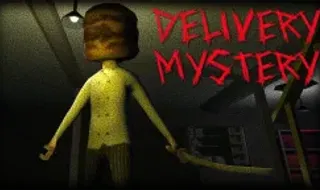






















Bighead
Bighead is not just another addition to the indie horror genre; it is a visceral, psychological experience that challenges the player's perception of domestic safety and biological reality. Developed with a keen eye for atmospheric tension, this simulation plunges you into a Saturday night that begins with a movie and ends in a nightmare of grotesque proportions. The central premise revolves around a mysterious disease that causes abnormal cranial growth, but the true horror of this encounter lies in the intimate, slow-burn disintegration of a relationship under the weight of an inexplicable tragedy. As you navigate the distorted hallways of a home that no longer feels like a sanctuary, Bighead forces you to confront the fragile line between humanity and the monstrous.
The Narrative Arc of the Bighead Incident
The story of Bighead starts with a relatable premise: a quiet evening with your significant other, Roman. However, the game quickly pivots into the surreal. When the roof of your house vanishes and Roman begins complaining of a severe headache, the player is introduced to the mechanics of caretaking and investigation that define the Bighead experience. The dialogue in this scenario is intentionally jarring, blending dark humor with genuine dread, creating a 'vibe check' that keeps players on edge. You aren't just a spectator in Bighead; you are the primary witness to Roman's physical and mental decay. Every task you perform in this environment, from brewing tea to finding a thermometer, is heavy with the realization that medicine cannot fix what is happening to him.
The developers have masterfully used silence and ambient noise to heighten the tension. As Roman's condition worsens, the house begins to reflect his internal state. This environmental storytelling is a hallmark of the Bighead approach to horror, where the most terrifying elements are often the ones left to the player's imagination.
Mastering the Gameplay Mechanics in Bighead
To survive and uncover the truth in Bighead, you must master a blend of point-and-click exploration and reactive decision-making. The house in this simulator serves as a dynamic puzzle box that shifts as the disease progresses. Interaction is key; in this game world, every object has a story or a utility. Collecting items like medicine or diagnostic tools is essential to advancing the plot, but Bighead also demands emotional intelligence. You must react to Roman's escalating condition with a mix of pragmatism and empathy, knowing that every choice in Bighead could alter the final outcome of this surreal domestic tragedy.
The complexity of the puzzles increases as the night goes on. Initially, you might only need to find a misplaced key, but soon you are deciphering cryptic notes and managing Roman's erratic moods. This accessibility makes Bighead a perfect entry point for those new to indie horror while still offering enough depth to satisfy veterans. The tension is consistently maintained through a series of timed events that force you to rethink your strategy on the fly.
Navigating Domestic Tension in Bighead
The internal layout of the house in Bighead is designed to induce claustrophobia. As Roman's head continues to grow, the physical space within this arena seems to shrink, reflecting the psychological pressure on the protagonist. Successful players in Bighead learn to anticipate the needs of the ailing partner while simultaneously searching for clues about the wider epidemic. This dual-track gameplay makes Bighead a uniquely stressful experience, as the quiet horror of a home being 'swallowed' by a mysterious force becomes increasingly literal.
Furthermore, the branching dialogue paths offer a layer of replayability. How you speak to Roman matters; a dismissive comment might trigger a violent reaction, while a supportive word could reveal a hidden memory. This social interaction system is what sets Bighead apart from its peers. It isn't just about the 'big head' of the title; it is about the burden of care and the fear of the unknown. Each playthrough can lead to a different conclusion, encouraging players to explore every possibility and understand the full scope of the tragedy that has befallen this small household.
Strategic Item Management in Bighead
Inventory management in Bighead is straightforward but critical. You must decide which items to prioritize when Roman's health takes a sudden turn for the worse. Bighead rewards players who pay close attention to the environmental storytelling that drips from every corner of the world.
The scarcity of resources adds a survival-horror element to the experience. You can't just spam medication; you have to use it when it matters most. Do you stay by his side, or do you venture into the dark attic to find the answers you need? Bighead constantly forces these impossible choices on the player, making every run a unique test of nerves and logic.
The Visual and Auditory Vibe of Bighead
Visually, Bighead employs a distinct aesthetic that balances retro charm with modern horror sensibilities. The color palette in this production shifts from warm, domestic tones to cold, clinical blues as the night progresses. Sound design is equally pivotal in Bighead; the subtle, wet sounds of bone shifting and skin stretching provide a constant auditory reminder of the physical stakes. Playing Bighead with headphones is highly recommended to fully appreciate the nuanced soundscapes that signal shifts in Roman's condition or the presence of outside threats. This sensory immersion is what elevates the project above standard jumpscare-heavy titles.
The use of low-poly models and pixelated textures creates a 'uncanny valley' effect that is perfect for the theme. The animations are fluid where they need to be and jerky when they want to scare you, creating a visual rhythm that is both hypnotic and terrifying. The soundtrack in Bighead is equally effective, utilizing dissonant tones and sudden silences to keep the player's heart rate elevated. It is a masterclass in how to use limited technical resources to create a top-tier horror experience.
Conclusion: Why Bighead is a Must-Play
Ultimately, Bighead stands out because it treats its horror with a level of maturity and surrealism that is rare in the browser game market. It is about the burden of care, the fear of the unknown, and the surreal nature of loss. Bighead offers a replayable experience with its branching dialogues and multiple endings, ensuring that players will return to the house to try and save Roman one more time. If you are looking for a game that blends psychological depth with body horror and high-stakes decision-making, Bighead is the definitive choice for your next gaming session. Prepare yourself for a world where the roof is gone, the rent doesn't matter, and the only thing that remains is the growing shadow of Bighead.
Atmospheric Depth
The lighting system in Bighead creates a sense of scale and wonder while maintaining the dark, oppressive vibe of a home under biological siege.
Narrative Agency
Your choices in Bighead directly impact the unfolding story, providing multiple branches and secret endings for dedicated horror enthusiasts.
Note: Bighead is an intense psychological horror experience. Players sensitive to body horror or domestic distress should proceed with caution and take breaks during their session.